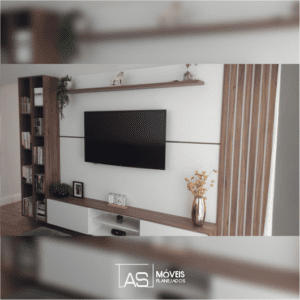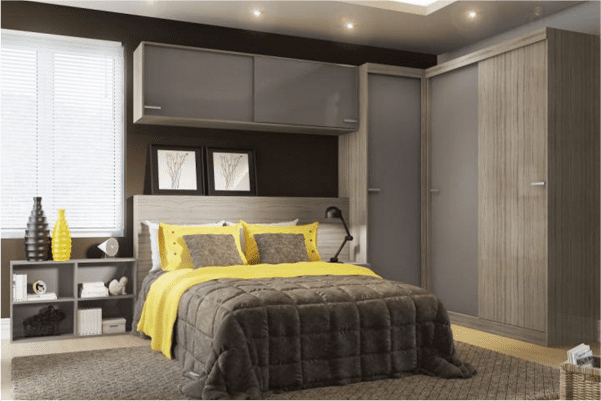
- Detailed palettes and bon rush create inspiring living room aesthetics
- Understanding Color Psychology in Living Room Design
- Layering Textures and Patterns
- The Role of Accent Colors and Statement Pieces
- Incorporating "Bon Rush" Inspired Elements
- Lighting Design: Setting the Mood
- Choosing the Right Window Treatments
- Beyond Trends: Personalizing Your Space
Detailed palettes and bon rush create inspiring living room aesthetics
Creating a truly inspiring living room involves much more than simply arranging furniture. It's about cultivating an atmosphere, a feeling, a space that reflects your personality and caters to your lifestyle. The thoughtful selection of color palettes plays a pivotal role in achieving this, and increasingly, design enthusiasts are turning to nuanced and sophisticated schemes to elevate their homes. One emerging trend that beautifully embodies this pursuit of inspiring aesthetics is the integration of design elements inspired by, and sometimes directly incorporating, the essence of “bon rush”. This isn't just about fleeting trends; it's about crafting a space that feels intentional and deeply personal.
The living room, often considered the heart of the home, deserves careful consideration. It's a space for relaxation, entertainment, and connection. Successfully blending different textures, patterns, and colors while maintaining a cohesive aesthetic presents a rewarding, yet often complex, challenge. A well-designed living room isn’t merely visually appealing; it fosters a sense of wellbeing and comfort, making it a sanctuary from the demands of daily life. This is where the careful consideration of palettes, coupled with innovative ideas, truly shines. The key lies in understanding how different colors interact and evoke specific emotions, and how to use them to create the desired ambiance.
Understanding Color Psychology in Living Room Design
The psychology of color is a fundamental aspect of interior design. Different hues can elicit vastly different emotional responses, influencing the mood and feel of a space. Warm colors like reds, oranges, and yellows tend to be energizing and inviting, often fostering a sense of intimacy and sociability. They work particularly well in living rooms intended for active gatherings or lively conversations. However, overusing warm colors can be overwhelming, making a space feel too stimulating. It’s essential to balance them with cooler tones to create a harmonious atmosphere. Cool colors, such as blues, greens, and purples, are generally calming and serene, promoting relaxation and tranquility. These are ideal for living rooms designed as peaceful retreats, perfect for reading, meditation, or simply unwinding after a long day. The specific shade and intensity of each color can further refine its effect. A deep navy blue will create a more dramatic and sophisticated feel than a pale sky blue.
Layering Textures and Patterns
Beyond the basic color scheme, layering textures and patterns adds depth and visual interest to the living room. Combining different textures – such as plush velvets, rough linens, smooth silks, and woven knits – creates a tactile experience that engages the senses. Patterns, when used thoughtfully, can introduce personality and energy to a space. Geometric patterns can add a modern edge, while floral patterns evoke a sense of classic elegance. It’s crucial to avoid overwhelming the space with too many competing patterns. A good rule of thumb is to choose one dominant pattern and complement it with smaller, more subtle patterns in accent pieces. Balance is key when combining textures and patterns; the goal is to create a cohesive and visually appealing aesthetic, not a cluttered or chaotic one.
| Navy Blue & Gold | Sophisticated, Luxurious | Formal living rooms, entertainment spaces |
| Sage Green & Cream | Calming, Natural | Relaxed living rooms, reading nooks |
| Terracotta & Ochre | Warm, Inviting | Cozy living rooms, family gatherings |
| Gray & Blush Pink | Serene, Modern | Contemporary living rooms, minimalist spaces |
Effective use of color often involves understanding undertones. For example, a seemingly neutral gray can have cool, blue undertones or warm, beige undertones, significantly impacting how it interacts with other colors in the room. Paying attention to these subtle nuances is critical for creating a polished and harmonious look. Furthermore, consider the natural light in the room. North-facing rooms tend to receive cooler light, so warmer colors can help to balance this. South-facing rooms receive warmer light, allowing for a wider range of color choices.
The Role of Accent Colors and Statement Pieces
While a cohesive base color palette forms the foundation of a living room’s aesthetic, accent colors and statement pieces are what truly elevate the design. Accent colors, used sparingly, can add pops of visual interest and personality. They can be introduced through throw pillows, artwork, rugs, and accessories. A carefully chosen accent color can tie together different elements of the room and create a sense of harmony. Statement pieces, such as a bold armchair, a striking chandelier, or a large-scale artwork, serve as focal points, drawing the eye and adding a touch of drama. These pieces should complement the overall color scheme and reflect the homeowner’s personal style. The power of a single, well-chosen statement piece should not be underestimated; it can instantly transform a space and inject it with character.
Incorporating "Bon Rush" Inspired Elements
The aesthetic embodied by “bon rush” – a sense of curated abundance, a joyful mix of textures, and a celebration of individual expression – can be seamlessly integrated into a living room design. Think layering vintage rugs over sisal, mixing floral prints with geometric patterns, and incorporating unexpected pops of color. This isn't about strict adherence to a single style; it's about creating a space that feels authentic and personal. It’s about the curated chaos that feels intentionally designed. Don't be afraid to experiment with different combinations and textures to find what resonates with you. The core principle is to create a space that feels inviting, comfortable, and reflective of your unique personality. The effortless chic associated with it can be brought to life through bold choices.
- Embrace eclecticism: Mix and match different styles and eras.
- Layer textures liberally: Don’t be afraid to combine different fabrics and materials.
- Introduce unexpected pops of color: Use accent colors to add visual interest.
- Prioritize comfort: Create a space that feels inviting and relaxing.
- Showcase personality: Reflect your individual style in the design elements.
One important aspect of incorporating this aesthetic is to focus on quality over quantity. Invest in a few well-made pieces that you truly love, rather than filling the space with cheap, disposable items. This will create a more sophisticated and lasting impression. And remember, the goal is to create a space that feels lived-in and loved, rather than a showroom. The charm of this look lies in its imperfections and its ability to tell a story.
Lighting Design: Setting the Mood
Lighting plays a critical role in shaping the mood and ambiance of a living room. A well-lit space feels inviting and comfortable, while a poorly lit space can feel drab and unwelcoming. Layering different types of lighting—ambient, task, and accent—is essential for creating a versatile and visually appealing lighting scheme. Ambient lighting provides overall illumination, while task lighting focuses on specific areas, such as a reading nook or a work desk. Accent lighting highlights architectural features or artwork. Dimmer switches are a valuable addition, allowing you to adjust the lighting level to suit different activities and moods. Consider the color temperature of the bulbs, as well. Warm white bulbs create a cozy and inviting atmosphere, while cool white bulbs provide a more energizing and focused light. Properly planned lighting can dramatically enhance the aesthetic appeal of a living room, highlighting its best features and creating a welcoming atmosphere.
Choosing the Right Window Treatments
Window treatments are often overlooked, but they play a significant role in both the aesthetics and functionality of a living room. They control the amount of natural light that enters the space, provide privacy, and add a decorative element. Curtains, blinds, and shades come in a wide variety of materials, colors, and styles, allowing you to customize the look of your living room to suit your preferences. Sheer curtains allow soft, diffused light to filter through, creating a light and airy feel. Blackout curtains block out all light, making them ideal for bedrooms or home theaters. Blinds and shades offer more control over the amount of light and privacy. Consider the architectural style of your home when choosing window treatments. For example, Roman shades are a classic choice for traditional homes, while roller shades are a more modern option. The right window treatments can tie together the entire look of the living room and enhance its overall aesthetic appeal.
- Assess the natural light: Determine how much light the room receives.
- Choose a style that complements the architecture.
- Consider the level of privacy needed.
- Select a fabric and color that coordinates with the existing décor.
- Don't forget about functionality: Choose treatments that are easy to operate.
The design journey doesn’t end with the initial setup. Regularly reassessing and refreshing the space, perhaps bringing in new textures or adjusting the color scheme, can keep the living room feeling vibrant and aligned with your evolving tastes. Introducing small changes, like swapping out throw pillows or adding a new piece of artwork, can have a significant impact on the overall aesthetic.
Beyond Trends: Personalizing Your Space
While staying informed about current design trends can be helpful, ultimately, the most important thing is to create a living room that reflects your personality and caters to your lifestyle. Don't be afraid to break the rules and experiment with different ideas. Surround yourself with things you love, whether it's artwork, books, travel souvenirs, or family heirlooms. These personal touches will add character and warmth to the space, making it feel truly your own. A thoughtfully curated living room is not just a visually appealing space; it's a reflection of who you are and what you value. It’s a place to relax, recharge, and connect with loved ones.
Consider creating a mood board to gather inspiration and visualize your ideas. This can be a physical board with fabric swatches and paint samples, or a digital board using tools like Pinterest or Canva. The key is to create a visual representation of the desired aesthetic, allowing you to refine your ideas and ensure that all the elements work together harmoniously. Remember to focus on creating a space that feels comfortable and inviting, a place where you can truly relax and enjoy spending time. The goal is to create a living room that feels like a sanctuary, a refuge from the stresses of daily life.