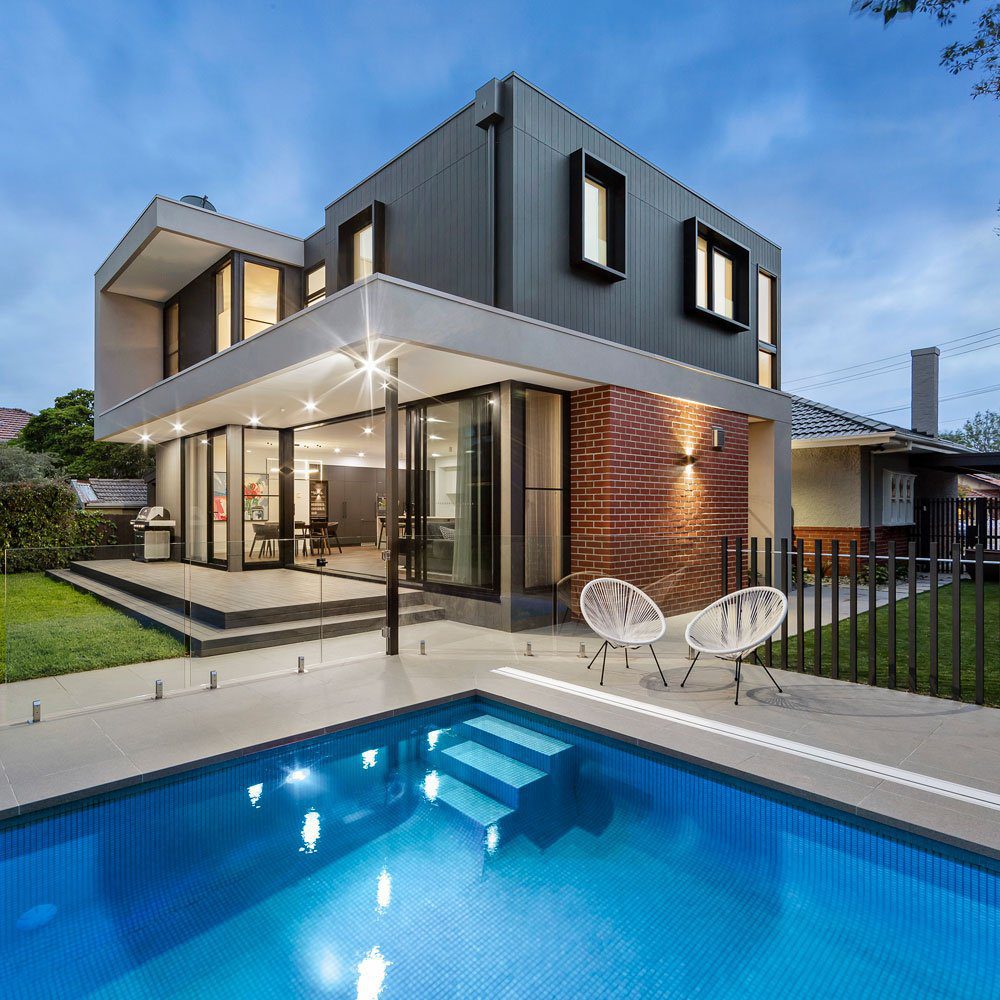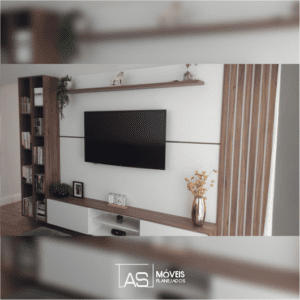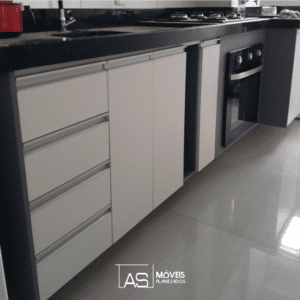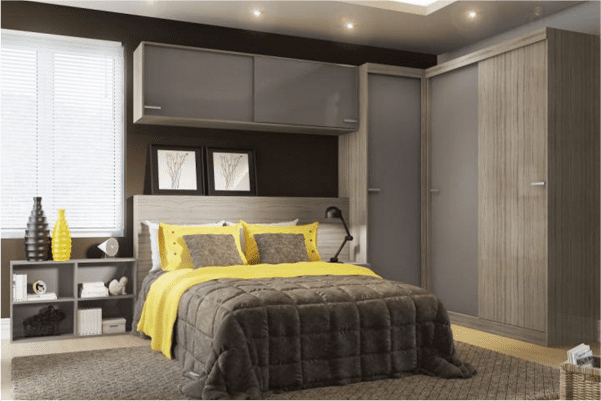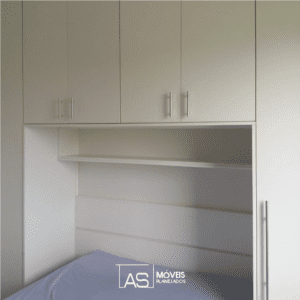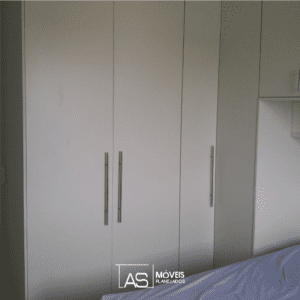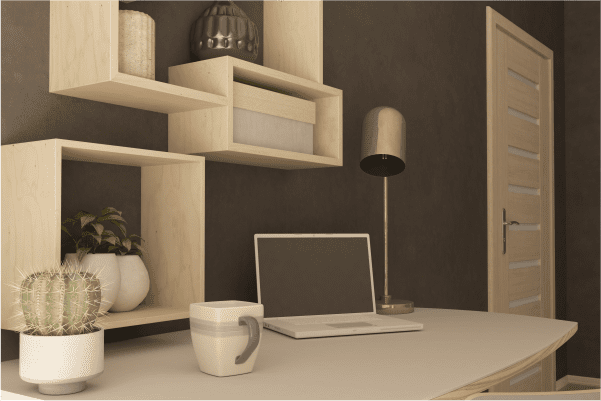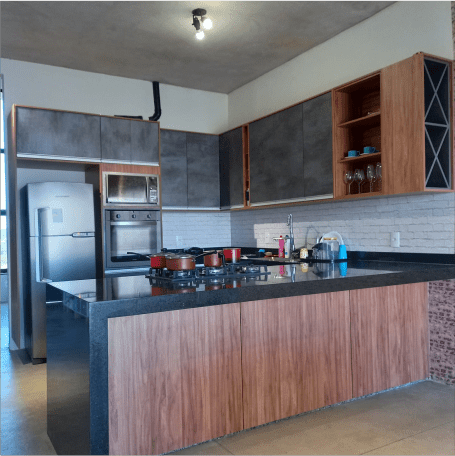
- Remarkable designs showcasing lolajack elevate modern interior aesthetics and personal style
- The Influence on Contemporary Living Spaces
- Understanding the Core Principles
- Color Palettes and Material Choices
- The Role of Texture in Design
- Furniture Selection and Placement
- Creating Focal Points within a Room
- Adapting the Aesthetic to Different Spaces
- The Future of Interior Expression
Remarkable designs showcasing lolajack elevate modern interior aesthetics and personal style
The world of interior design is constantly evolving, with new trends and aesthetics emerging to shape the spaces we inhabit. Amongst these developments, the innovative designs incorporating elements associated with lolajack are gaining significant traction, offering a fresh perspective on modern living. This isn't simply about a fleeting fad; it’s about a re-evaluation of how form and function can harmoniously coexist, adding a unique character to residential and commercial environments alike. The appeal lies in the ability to introduce both sophistication and a playful edge, creating spaces that are as visually striking as they are comfortable.
These designs represent a shift towards more personalized interiors, where individual style and expression take precedence. They move beyond generic, mass-produced aesthetics, allowing homeowners and designers to curate spaces that truly reflect their personalities. The versatility of this aesthetic means it can be adapted to a wide range of tastes, from minimalist and contemporary to bohemian and eclectic. This adaptability is a key reason for its growing popularity, offering a solution for those seeking a tailored and distinctive interior.
The Influence on Contemporary Living Spaces
The impact of designs inspired by lolajack extends beyond mere aesthetics; it fundamentally alters the way we interact with our living spaces. The influence can be observed in the use of texture, color palettes, and overall spatial arrangement. A key characteristic is the embrace of unconventional materials and forms, often blending natural elements with industrial finishes. This creates a sense of grounding a space, while simultaneously presenting a modern, forward-thinking atmosphere. Designers are increasingly using geometric patterns and vibrant hues that capture the essence of the style, infusing energy and visual interest into otherwise neutral environments. The emphasis on creating multi-functional spaces is also prominent, reflecting the demands of contemporary lifestyles.
Understanding the Core Principles
At the heart of this design movement lie several core principles. Firstly, there's a prioritization of comfort and functionality. Spaces are designed to be lived in, not merely looked at. Secondly, there's a conscious effort to incorporate sustainable and ethically sourced materials, aligning with growing environmental awareness. Finally, the emphasis is on creating a narrative within the space, telling a story through the carefully selected objects, artwork, and furniture. These elements work together to create an atmosphere that feels both inviting and inspiring, inviting introspection and a sense of wellbeing. A successful implementation of these principles transforms a house into a home, a sanctuary tailored to the inhabitants needs.
| Design Element | Typical Material |
|---|---|
| Wall Finishes | Textured Plaster, Reclaimed Wood |
| Furniture | Velvet, Metal, Concrete |
| Lighting | Brass, Geometric Shades |
| Accents | Artisanal Ceramics, Woven Textiles |
The table above illustrates some common material pairings frequently used in designs reflecting this aesthetic. The deliberate pairing of textures and materials is a signature feature, creating depth and visual intrigue.
Color Palettes and Material Choices
The selection of a suitable color palette is crucial when attempting to integrate this aesthetic into a space. While there’s no rigid formula, certain color combinations consistently prove effective. Earthy tones like ochre, terracotta, and olive green are often employed to create a calming and grounding base. These are frequently juxtaposed with bolder accent colors such as deep blues, burnt oranges, and emerald greens, adding pops of vibrancy and personality. The key is to maintain a balance between warmth and coolness, ensuring the space feels inviting rather than overwhelming. Neutral shades, such as soft greys and creams, are essential for providing a backdrop that allows the bolder colors and textures to stand out. It’s also important to consider the natural light available in the space; rooms with ample sunlight can accommodate darker hues, while those with limited light may benefit from a brighter palette.
The Role of Texture in Design
Texture plays a crucial role in bringing depth and dimension to designs inspired by lolajack. Incorporating a variety of tactile surfaces—such as rough-hewn wood, plush velvet, and smooth metal—creates a sensory experience that elevates the overall aesthetic. Layering textures is a particularly effective technique, adding visual complexity and interest. For example, a smooth concrete floor can be contrasted with a richly textured rug, while a sleek metal coffee table can be paired with a velvet sofa. The use of natural materials is also paramount, as they bring an organic quality to the space. Consider incorporating elements like woven baskets, stone sculptures, and potted plants to further enhance the textural richness. Careful consideration of texture can transform a space from feeling flat and one-dimensional to dynamic and inviting.
- Embrace natural light to enhance color and texture.
- Mix and match materials to create visual contrast.
- Layer textures for added depth and interest.
- Don’t be afraid to experiment with bold color combinations.
- Prioritize comfort and functionality.
- Incorporate personal touches to reflect your style.
These points offer a practical starting point for those looking to incorporate the aesthetic into their own homes. Remember that experimentation and personalization are key to achieving a truly unique and harmonious result.
Furniture Selection and Placement
Choosing the right furniture is paramount to achieving the desired aesthetic. Pieces with clean lines and organic shapes are often favored, avoiding overly ornate or fussy designs. The emphasis is on quality craftsmanship and durable materials. Vintage or antique finds can also be seamlessly integrated, adding character and a sense of history. When it comes to furniture placement, the goal is to create a sense of flow and balance. Avoid overcrowding the space; instead, prioritize open areas and clear pathways. Arranging furniture in conversational groupings encourages social interaction and creates a welcoming atmosphere. Furthermore, incorporating statement pieces—such as a striking armchair or a unique coffee table—can serve as focal points and enhance the overall visual impact. Ultimately, the furniture should not only be aesthetically pleasing but also serve its functional purpose effectively.
Creating Focal Points within a Room
Establishing focal points is essential for drawing the eye and creating visual hierarchy within a room. This can be achieved through a variety of means, such as artwork, architectural features, or strategically placed furniture. A vibrant painting, a striking fireplace, or a large window with a stunning view can all serve as excellent focal points. Once a focal point has been established, the surrounding décor should be arranged to complement and enhance it. This might involve using complementary colors, textures, or patterns. Avoid creating too many competing focal points, as this can lead to a cluttered and disorganized look. Instead, prioritize one or two key elements to capture attention and create a sense of visual harmony. A well-defined focal point can transform a room from feeling bland and uninspired to dynamic and engaging.
- Start with a neutral base.
- Add layers of texture and pattern.
- Introduce pops of color.
- Incorporate natural elements.
- Prioritize comfort and functionality.
- Don't be afraid to experiment.
Following these steps can help guide the process of creating a cohesive and visually appealing interior that embodies the essence of the aesthetic.
Adapting the Aesthetic to Different Spaces
The beauty of this design approach is its adaptability. It can be successfully implemented in a wide range of spaces, from compact urban apartments to sprawling suburban homes. In smaller spaces, it’s particularly important to prioritize functionality and avoid clutter. Using multi-functional furniture and maximizing vertical space can help create a sense of openness. In larger spaces, there's more room for experimentation and layering. Incorporating statement pieces and creating distinct zones can add visual interest and prevent the space from feeling overwhelming. The key is to tailor the aesthetic to the specific characteristics of the space, respecting its architecture and functionality. Whether it’s a bedroom, living room, or kitchen, the aesthetic can be seamlessly integrated to create a cohesive and inviting atmosphere.
The Future of Interior Expression
Looking ahead, designs incorporating the principles associated with lolajack are poised to continue their trajectory as a dominant force in the interior design landscape. The growing emphasis on personalization, sustainability, and mindful living aligns perfectly with the core values of this aesthetic. We can anticipate seeing further innovations in material science and craftsmanship, leading to even more unique and expressive designs. The integration of technology will also play a role, with smart home features seamlessly incorporated into the décor. Moreover, the blurring lines between indoor and outdoor spaces will likely become more prevalent, creating a greater connection with nature. This forward-thinking approach to interior design promises to create spaces that are not only beautiful but also functional, sustainable, and deeply personal.
Ultimately, the enduring appeal of this aesthetic lies in its ability to evoke a sense of warmth, comfort, and individuality. It's a design philosophy that encourages experimentation, creativity, and a celebration of personal style, shaping not just the aesthetics of our homes, but also the quality of our lives within them.