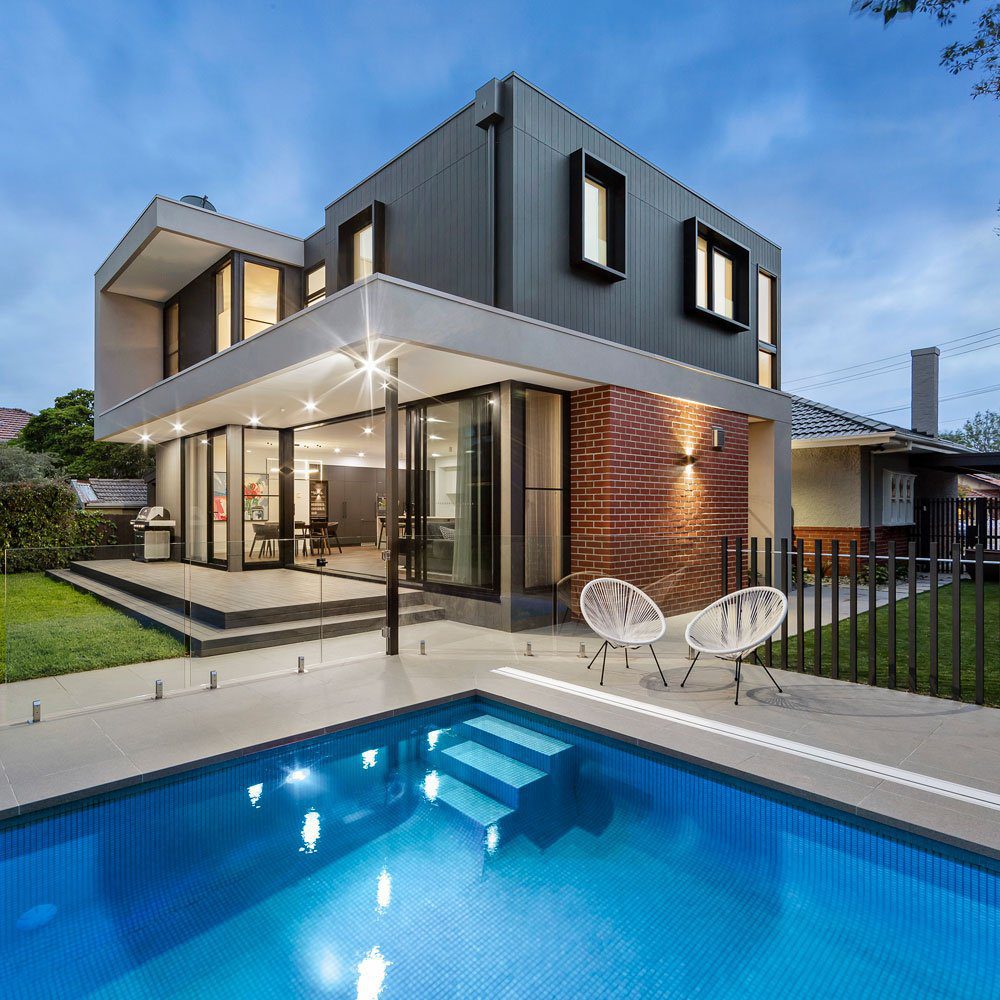
- Creative solutions bloom from exploring the possibilities within luckywave design and innovative concepts
- Understanding the Core Principles
- The Role of Color and Texture
- Applications Across Different Media
- Impact on User Experience (UX)
- Integrating with Other Design Trends
- Synergy with Augmented Reality (AR) and Virtual Reality (VR)
- Future Directions and Evolving Possibilities
Creative solutions bloom from exploring the possibilities within luckywave design and innovative concepts
luckywave. The digital landscape is constantly evolving, demanding innovative approaches to design and creative expression. Within this dynamic environment, the concept of has emerged as a compelling exploration of aesthetics, functionality, and user experience. It represents a shift towards fluid, organic forms and immersive sensory engagement – a wave of fresh creative thinking influencing varied disciplines. This approach isn't limited to any single medium; it’s adaptable to visual arts, web design, sound design, and even product development.
At its core, the philosophy underpinning this perspective emphasizes the potential of subtly shifting forms and the impact of dynamic interaction. It moves beyond static, rigid structures, opting instead for concepts that evoke motion, adaptability and a sense of constant change. This is not merely about superficial aesthetics; it's about crafting experiences that resonate on a deeper level, drawing users in through captivating and intuitive design. The exploration of this framework often involves blending different styles and techniques to create something truly unique and memorable.
Understanding the Core Principles
The foundation of this design approach rests upon a series of interconnected principles that guide its implementation. Primarily, there's the concept of flow – a seamless transition between elements and ideas, creating a harmonious and engaging experience. This emphasizes a rejection of harsh angles and abrupt discontinuities, favouring instead curves, gradients, and subtle animations. Secondly, adaptability is crucial; designs are not fixed but rather respond and adjust to user input and changing contexts. This responsiveness extends beyond mere functionality, encompassing a varying aesthetic experience. Finally, the intention is to create designs that are not just visually appealing, but also emotionally resonant, fostering a sense of connection and immersion.
The Role of Color and Texture
Color and texture play a pivotal role in bringing the essence of this perspective to life. Typically, palettes lean towards gradients and subtle transitions, mirroring the feeling of flowing water or shifting light. Muted tones are often favored, providing a sense of calmness and sophistication, although bolder hues can be incorporated strategically to draw attention to key elements. Texture adds another layer of depth, with designers often employing techniques that simulate organic materials or natural patterns. This creates a tactile quality, even in purely digital designs, encouraging users to explore and interact with the content on a more intuitive level. The blending of visual and tactile elements is essential for establishing a strong, immersive connection.
| Color Palette | Gradients, muted tones, subtle transitions |
| Texture | Organic materials, natural patterns, tactile qualities |
| Form | Curves, fluidity, responsive elements |
| Interaction | Seamless transitions, intuitive responsiveness |
The table above highlights some crucial design components, demonstrating how varied aesthetic choices contribute to the core tenets of the overarching concept. These elements, when combined thoughtfully, produce designs that possess both visual appeal and functional efficacy. Success lies in achieving harmony – each aspect contributing to a unified and immersive experience.
Applications Across Different Media
The adaptability of this design philosophy translates beautifully across a multitude of creative mediums. In web design, it manifests as scrolling effects that mimic waves, fluid animations, and user interfaces that respond dynamically to interactions. It's a move away from rigid, grid-based layouts towards more organic and intuitive structures. In graphic design, this translates to designs that emphasize curves, gradients, and blurred edges, creating a sense of motion and depth. The approach is equally applicable to areas like motion graphics, where it can be used to create captivating visual narratives that unfold seamlessly. It provides a framework for expressing creativity in innovative and unexpected ways.
Impact on User Experience (UX)
A key benefit of implementing these principles is the positive impact on user experience. The fluidity and responsiveness foster a sense of ease and control, while the attention to aesthetic detail creates a more engaging and enjoyable experience. By prioritizing intuition and seamless transitions, designers can eliminate friction and guide users through interfaces effortlessly. This approach tends to improve usability, as the focus remains on the feeling of natural flow and interaction. Furthermore, the inherent aesthetic appeal can elevate brand perception, conveying a sense of sophistication and innovation making the user’s journey feel natural and pleasant.
- Enhanced User Engagement: Fluid designs captivate and retain user attention.
- Improved Usability: Intuitive interfaces reduce user frustration.
- Strengthened Brand Identity: Sophisticated aesthetics convey innovation.
- Increased Accessibility: Responding designs accommodate a wider range of users.
- Positive Emotional Response: Aesthetically pleasing designs create a sense of comfort.
These points illustrate how embracing this mindset can translate into tangible benefits for both users and brands. The focus on experience, rather than just form, ensures a lasting impact and builds meaningful connections with audiences. This commitment to user-centricity is what sets this design philosophy apart.
Integrating with Other Design Trends
While this aesthetic represents a distinct approach, it doesn't exist in a vacuum. In fact, it often intersects and complements other contemporary design trends. For instance, the focus on gradients and subtle transitions aligns well with the ongoing popularity of neo-minimalism, which prioritizes simplicity and elegance. Similarly, the emphasis on fluidity resonates with the broader trend towards organic design, which draws inspiration from nature. One can see these influences combining in areas such as branding, where the approach can be used to create logos and visual identities that are both memorable and visually striking. The key to successful integration lies in finding a balance – leveraging the strengths of each trend while maintaining a cohesive and unified aesthetic.
Synergy with Augmented Reality (AR) and Virtual Reality (VR)
The core principles of this mindset are particularly well-suited for emerging technologies like augmented and virtual reality. The emphasis on immersion and sensory engagement aligns perfectly with the goals of these platforms. In AR applications, this could manifest as dynamic overlays that respond to the user’s environment, blurring the lines between the physical and digital worlds. In VR experiences, it could translate to entirely immersive environments that feel organic and responsive. The capacity to craft truly engaging and interactive experiences within these new mediums makes it a valuable tool for those looking to push the boundaries of digital creativity.
- Conceptualization: Define the overall aesthetic and emotional tone.
- Prototyping: Create interactive mockups to test usability.
- Iteration: Refine the design based on user feedback.
- Implementation: Bring the vision to life using appropriate tools.
- Testing: Ensure the final product meets quality standards.
This sequential process ensures a strategic and user-focused approach to development, leading to more impactful and memorable design solutions. The importance of iterative testing cannot be overstated; it’s through constant refinement that designs truly flourish.
Future Directions and Evolving Possibilities
The evolution of this approach is ongoing, driven by technological advancements and shifting cultural norms. We can anticipate greater experimentation with generative design – algorithms that create unique designs based on specified parameters. This will allow designers to explore a wider range of possibilities and create truly personalized experiences. Furthermore, advancements in areas like haptics and spatial audio will enable designers to engage even more of the user’s senses, creating truly immersive and multi-sensory experiences. The intersection of artificial intelligence and design promises to unlock new levels of creativity and efficiency, allowing designers to focus on higher-level conceptualization and strategy.
The continuing exploration and refinement of this perspective hold immense potential for shaping the future of design. It challenges conventional norms and encourages a more holistic, user-centric approach to creative problem-solving. It allows for a more intuitive and emotionally engaging experience, drawing the user into a captivating and ever-changing digital landscape. As technology continues to advance, its principles will undoubtedly become even more relevant, shaping the way we interact with the world around us.