- Creative landscapes flourish beautifully with https://spinking-uk.uk and enduring design elements
- The Art of Garden Design: Harmonizing Aesthetics and Functionality
- Understanding Microclimates and Plant Selection
- Creating Outdoor Living Spaces: Extending Your Home
- Designing Functional and Stylish Patios and Decks
- Sustainable Landscaping Practices: Nurturing the Environment
- Water Conservation Strategies for the Modern Garden
- Hardscape Features: Defining Spaces and Adding Structure
- Enhancing Your Outdoor Space with Expert Design
Creative landscapes flourish beautifully with https://spinking-uk.uk and enduring design elements
The creation of beautiful and functional outdoor spaces is a cornerstone of modern living, and finding the right partner to bring those visions to life is paramount. A well-designed landscape isn't merely an aesthetic addition to a property; it's an investment in its value, a contributor to wellbeing, and a canvas for personal expression. For those seeking innovative and enduring design solutions, https://spinking-uk.uk offers a comprehensive suite of services, encompassing everything from initial concept development to meticulous installation and ongoing maintenance. They specialize in transforming ordinary gardens into extraordinary environments.
The key to a successful landscape design lies in a harmonious blend of artistic creativity and practical considerations. Understanding the unique characteristics of the site – its soil composition, sunlight exposure, existing vegetation, and architectural style – is crucial. Furthermore, a client’s lifestyle and preferences must be deeply integrated into the design process. Whether dreaming of a tranquil retreat, a vibrant entertaining space, or a family-friendly garden, a skilled landscape architect can translate those aspirations into a tangible reality, creating a space that’s both beautiful and sustainable. This holistic approach is what sets leading landscape companies apart, and a commitment to quality often means long-lasting relationships with satisfied clients.
The Art of Garden Design: Harmonizing Aesthetics and Functionality
Garden design is far more than simply arranging plants; it's about crafting an experience. It’s about creating a sense of place, a feeling of serenity, or an atmosphere of lively conviviality. The layout, material choices, and plant selection all work in concert to achieve a desired effect. Good garden design considers sightlines, pathways, focal points, and the interplay of light and shadow. For instance, a winding path can create a sense of mystery and encourage exploration, while a strategically placed sculpture can draw the eye and provide a visual anchor. The consideration of texture, colour and form in plant groupings is also extremely important, providing year-round interest. A professional understands how to harness these elements to create a landscape that’s visually captivating and emotionally resonant.
Understanding Microclimates and Plant Selection
A crucial aspect of successful garden design is understanding microclimates – the localized environmental conditions within a garden that can vary significantly. Sun exposure, wind patterns, soil drainage, and proximity to structures can all create distinct microclimates, each with its own suitability for different plant species. Selecting plants that thrive in these specific conditions is essential for ensuring their long-term health and vitality. For example, a south-facing wall will be warmer and drier than a north-facing one, making it ideal for drought-tolerant plants. Similarly, a shaded area beneath a tree will require shade-loving species. Expert landscape designers possess the knowledge and experience to assess these microclimates and choose plants that are perfectly suited to their environment, minimizing maintenance and maximizing visual appeal. This leads to more resilient and thriving landscapes.
| Lavender | Full Sun | Well-Drained | Low |
| Hydrangea | Partial Shade | Moist, Well-Drained | Moderate |
| Hostas | Shade | Rich, Moist | Moderate |
| Rosemary | Full Sun | Well-Drained | Low |
The table above illustrates just a small section of the considerations given to plant selection. A good designer will carefully consider the overall aesthetic, alongside the practical implications for the long-term health of the garden.
Creating Outdoor Living Spaces: Extending Your Home
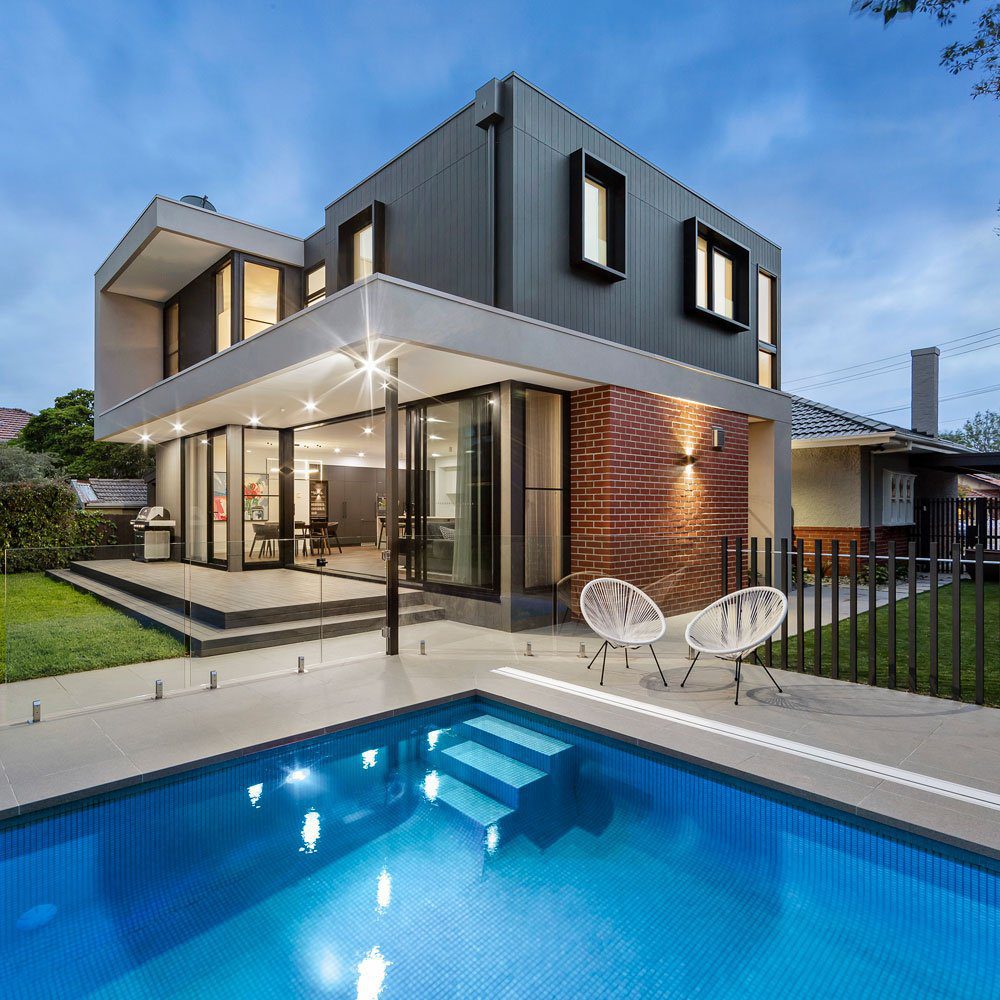
Modern landscape design increasingly focuses on creating seamless transitions between indoor and outdoor living spaces. Patios, decks, outdoor kitchens, and fire pits are becoming integral components of the home, extending the living area and providing opportunities for year-round enjoyment. These outdoor spaces should be designed to complement the architectural style of the house and reflect the homeowner’s lifestyle. For example, a family that enjoys entertaining might prioritize a large patio with a built-in barbecue and comfortable seating, while a couple seeking a peaceful retreat might prefer a secluded deck with a cozy fireplace. Strategic placement of furniture, lighting, and landscaping elements can enhance the functionality and aesthetic appeal of these outdoor rooms, making them inviting and comfortable spaces to spend time in.
Designing Functional and Stylish Patios and Decks
The foundation of any successful outdoor living space is a well-designed patio or deck. The materials used should be durable, weather-resistant, and aesthetically pleasing. Options range from natural stone and brick to composite decking and hardwood. The size and shape of the patio or deck should be proportionate to the house and the surrounding landscape, providing ample space for furniture, movement, and activities. Consider incorporating features such as built-in seating, planters, and lighting to enhance the functionality and ambiance. Good drainage is also essential to prevent waterlogging and ensure the longevity of the surface. Finally, integrating the patio or deck seamlessly with the surrounding landscape through thoughtful landscaping can create a harmonious and inviting atmosphere. A carefully considered design will elevate the entire outdoor experience.
- Consider the prevailing wind direction when positioning seating areas.
- Ensure adequate lighting for safety and ambiance.
- Choose materials that complement the style of your home.
- Incorporate plants to soften hard edges and add visual interest.
- Plan for adequate storage for outdoor cushions and accessories.
These points are the basic elements of a patio or deck design, beyond those, a sleek design will elevate the ambience of a landscape, and allow for enjoyable outdoor experiences.
Sustainable Landscaping Practices: Nurturing the Environment
In an era of increasing environmental awareness, sustainable landscaping practices are becoming increasingly important. This involves minimizing the use of water, chemicals, and energy, while maximizing biodiversity and creating a healthy ecosystem. Techniques such as xeriscaping – designing landscapes that require minimal irrigation – and the use of native plants are central to sustainable landscaping. Native plants are adapted to the local climate and soil conditions, requiring less water, fertilizer, and pesticides. Composting yard waste and using it as a soil amendment can reduce the need for chemical fertilizers and improve soil health. Furthermore, incorporating features such as rain gardens and permeable paving can help to manage stormwater runoff and recharge groundwater supplies. Sustainable landscaping is not only environmentally responsible but can also save homeowners money on water bills and maintenance costs.
Water Conservation Strategies for the Modern Garden
Water conservation is a critical aspect of sustainable landscaping, particularly in regions prone to drought. Implementing efficient irrigation systems, such as drip irrigation and soaker hoses, can deliver water directly to plant roots, minimizing water waste through evaporation and runoff. Mulching around plants helps to retain moisture in the soil and suppress weeds. Grouping plants with similar water needs together can also optimize water use. Collecting rainwater in rain barrels or cisterns provides a sustainable source of water for irrigation. Finally, selecting drought-tolerant plants that can thrive with minimal water is essential for creating a water-wise landscape. A proactive, conscious approach to water management is crucial for ensuring the long-term health of the garden and protecting valuable water resources.
- Install a smart irrigation controller that adjusts watering schedules based on weather conditions.
- Use a rain barrel to collect rainwater for irrigation.
- Mulch generously around plants to retain moisture.
- Group plants with similar water needs together.
- Choose drought-tolerant plant species whenever possible.
Implementing these strategies will minimise water waste and improve the health of your landscape.
Hardscape Features: Defining Spaces and Adding Structure
Hardscape elements, such as walls, patios, walkways, and fences, play a crucial role in defining spaces and adding structure to a landscape. They provide a framework for the softer elements, such as plants and lawns, and can create a sense of order and cohesion. The materials used for hardscaping should be durable, weather-resistant, and aesthetically pleasing, complementing the style of the house and the surrounding landscape. Options range from natural stone and brick to concrete pavers and timber. Properly constructed hardscape features not only enhance the visual appeal of the landscape but also provide functional benefits, such as retaining walls to prevent erosion and walkways to provide safe and accessible passage. Thoughtful hardscape design can transform a cluttered yard into a well-defined and inviting outdoor space.
Integrating lighting into hardscape features – such as path lights, wall lights, and spotlights – can enhance safety and ambiance, extending the enjoyment of the landscape into the evening hours. Using the right lighting can highlight architectural details, illuminate pathways, and create dramatic focal points. Careful attention to detail and a commitment to quality craftsmanship are essential for creating hardscape features that are both beautiful and durable. A well-executed hardscape design will serve as a valuable asset to any property, enhancing its value and appeal.
Enhancing Your Outdoor Space with Expert Design
Investing in professional landscape design offers a multitude of benefits, extending far beyond mere aesthetics. A skilled designer brings a wealth of knowledge, experience, and creativity to the project, translating your vision into a tangible reality. They navigate complex planning regulations, select appropriate materials, and oversee the installation process, ensuring a smooth and successful outcome. Moreover, a well-designed landscape can significantly increase property value, enhance curb appeal, and create a more enjoyable and sustainable living environment. Working with a reputable company, such as https://spinking-uk.uk, provides access to a team of experienced professionals who are dedicated to delivering exceptional results, tailored to your unique needs and preferences. They don’t just build landscapes; they create outdoor experiences.
Consider the long-term impact of landscape choices, beyond the initial cost. A thoughtfully designed garden, utilizing sustainable practices and durable materials, will offer years of enjoyment with minimal maintenance. It’s an investment in wellbeing, a connection to nature, and a beautiful space for creating lasting memories. The strategic use of plants, materials, and hardscape elements can create a harmonious and inviting outdoor environment that enhances your lifestyle and adds value to your home.